
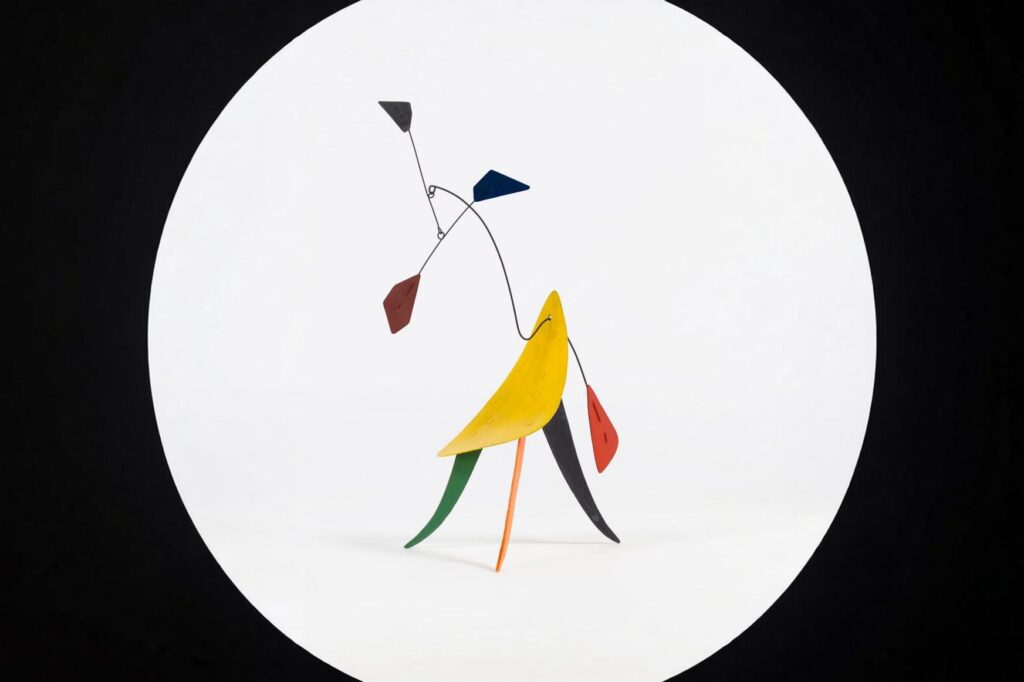
Computers are useless. They can only give you answers.
Pablo Picasso
For decades my job has been to explain things; specifically, to unpack biblical texts and heady spiritual concepts to make them intelligible and useful. I have seen myself as a kind of Prometheus whose mission was to pilfer the beauties of heaven and convert them into something solid and serviceable. I’ve gotten a lot of mileage out of it.
But I’ve become suspicious of explication. The underlying assumption of most Christian teaching is that Christianity can be explained. (How else could it be taught?) The gospel becomes a reasonable conclusion. Faith is codified as a set of bite-sized propositions. I feel that even my own teaching has drifted toward truisms. It’s a bit disconcerting.
And the word of the LORD will be to them
precept upon precept, precept upon precept,
line upon line, line upon line,
here a little, there a little.
Isaiah 28:13
The human tendency is to extract the juice from things. We want to know what things mean or what they’re for—and if an answer is not forthcoming, we dismiss them as superfluous to hammering out a life in the real world.
We are a people of utility whose faith is a practical one. We seek what works. Our teachers are masters of application, and we are practitioners of spiritual technique. We don’t want visions; we want know-how. Our faith is found in the self-help section. We are proficient. But as the late business guru, Peter Druker, has said, “There is nothing so useless as doing efficiently that which should not be done at all.”
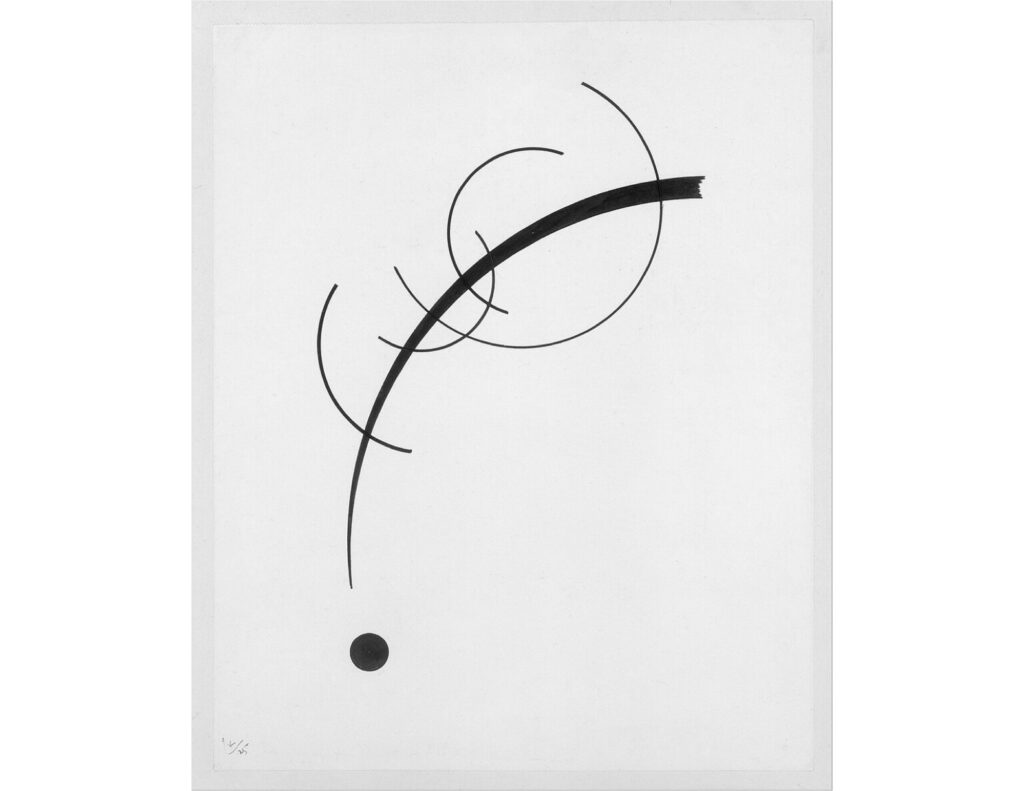
This may be one of the reasons for my late-arriving appreciation for the art of Alexander Calder, Wassily Kandinsky, and Joan Miró. Their playful, abstract works hint at what I believe lies at the center of true Christianity: whimsy. By this I don’t mean a naive disregard of reality. I mean that the beating heart of the Kingdom of God is a joyous frivolity that is free of pedantry and attachments. Christianity is apropos of nothing. It is unburdened of burden. It is a gesture, a gleeful fling into the clear atmosphere of the holy. It is God for God’s sake.
The essence of Christianity is decidedly not practical. It is not something that works. The Kingdom of God cannot be applied to anything. It offers no lessons, no morals, no takeaways. It just is. The gospel invites us out of a world smudged with human imperative and iniquity into one delightfully unbound and clean. It says to those strangled by life’s tyranny, “Behold! Breathe!”
I, too, am slow to recognize this. The salvation that once swallowed me wholesale somehow became a notion to be studied. Where once I was thrillingly bereft within the bright I AM, I am now a capable and confident provider of spiritual goods. I may not be a Pharisee, but I’ve become somewhat of a scribe—a really good scribe, but a scribe nonetheless.
What I need is to be re-baptized in the waters of whimsy, to once more behold that which means only itself. I need to let the sheer ridiculousness of it all wash over me again. I need to be lifted above the answers into the throne room of it is what it is where calculations and conclusions are not only pointless, they are blasphemies. I need to inhale the glyph of salvation, to surrender to the image for what it is.
I am bidden and have only to answer.
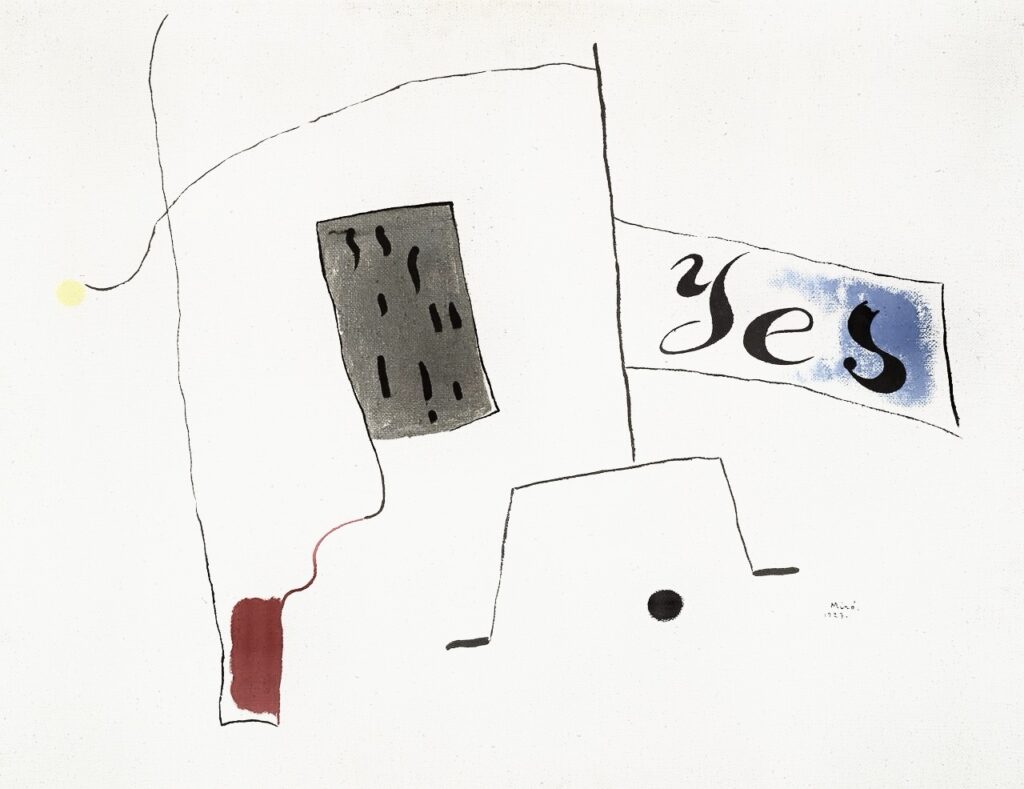
“All art is quite useless.”
Oscar Wilde